Thursday, 15 August 2019

Apple WebKit Team Publishes Website Tracking Prevention Policy

Apple's WebKit team has published a "WebKit Tracking Prevention Policy" that details a range of anti-tracking measures it has developed and the types of tracking practices it believes are harmful to users.


Inspired by Mozilla's anti-tracking policy, the document posted to the WebKit blog provides an insight into the anti-tracking features built into Apple's Safari browser that the team hopes to see in all browsers one day.
This document describes the web tracking practices that WebKit believes, as a matter of policy, should be prevented by default by web browsers. These practices are harmful to users because they infringe on a user's privacy without giving users the ability to identify, understand, consent to, or control them.
Apple introduced Intelligent Tracking Prevention in iOS 11 and in Safari 11 in macOS High Sierra 10.13 and has been working to develop ITP ever since. For example, in February Apple released iOS 12.2 and Safari 12.1 for macOS, both of which included ITP 2.1 featuring enhancements that block cross-site tracking.

The new WebKit policy highlights Apple's continuing efforts to target all forms of cross-site tracking behavior, even if it's in plain view.
WebKit will do its best to prevent all covert tracking, and all cross-site tracking (even when it’s not covert). These goals apply to all types of tracking listed above, as well as tracking techniques currently unknown to us.

If a particular tracking technique cannot be completely prevented without undue user harm, WebKit will limit the capability of using the technique. For example, limiting the time window for tracking or reducing the available bits of entropy — unique data points that may be used to identify a user or a user’s behavior.
In addition to cross-site tracking, the document outlines several other tracking practices it deems harmful to users, and says WebKit will treat circumvention of its anti-tracking measures "with the same seriousness as exploitation of security vulnerabilities."
If a party attempts to circumvent our tracking prevention methods, we may add additional restrictions without prior notice. These restrictions may apply universally; to algorithmically classified targets; or to specific parties engaging in circumvention.
For more on tracking definitions, the unintended impact of anti-tracking measures, and exceptions to the rules, check out the full WebKit Tracking Prevention Policy on the WebKit blog.


This article, "Apple WebKit Team Publishes Website Tracking Prevention Policy" first appeared on MacRumors.com

Discuss this article in our forums


from MacRumors: Mac News and Rumors - All Stories https://ift.tt/2TzrygU

Congress Subpoenas 8Chan Owner to Testify About Website's Connections to White Supremacist Violence

8Chan has become an incredibly popular place for violent white supremacists to post their manifestos before a mass shooting. Now Democrats in Congress want to hear from 8Chan’s owner, Jim Watkins, and has issued a subpoena for him to testify on Capitol Hill on September 5.

Read more...


from Gizmodo https://ift.tt/2KKoH0M

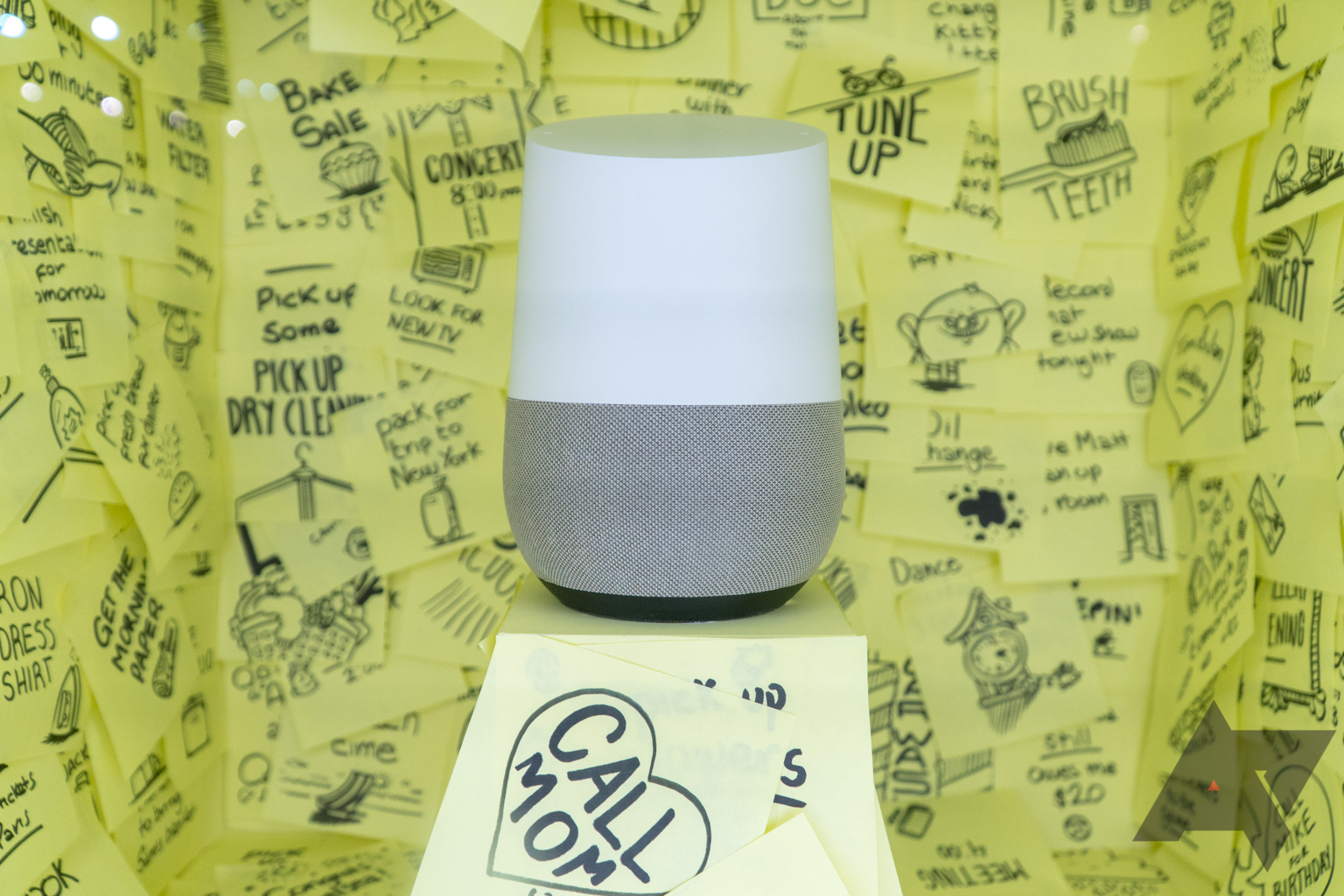
Google is rolling out super-useful assignable reminders in Assistant

It can be hard to keep up with all the features packed into Google Assistant, especially because a lot of the recent additions are underwhelming and don't get much use. Google's latest Assistant rollout is different. The new assignable reminders sound like a fun and useful feature, and they're coming your way soon. Well, in select markets.

With assignable reminders, you can create a reminder for other people in your home by talking to Assistant.

Read More

Google is rolling out super-useful assignable reminders in Assistant was written by the awesome team at Android Police.


from Android Police – Android news, reviews, apps, games, phones, tablets https://ift.tt/2YWQ2Hf

Huawei Delays Mate X Folding Phone Again

Huawei has again delayed the release of its Mate X folding smartphone, which is now unlikely to come out before November.


Speaking to TechRadar at a press event in China, the company said that there was "no possibility" that the device will make its September launch date.

It's the second time Huawei has pushed back the release of the phone, which was originally supposed to arrive in June or July.

The report doesn't reveal the reason for the delay, but it could be that the company is taking extra care not to replicate Samsung's mistake of unveiling a folding phone that's not fit for purpose.

Samsung initially planned to launch the Galaxy Fold in the spring, but ended up delaying the launch after several reviewers experienced broken Galaxy Fold devices after just a few days.

The Galaxy Fold is now set to launch in September – before the Mate X – after being delayed in order for Samsung to make some design changes.

The Mate X uses what Huawei calls a "Falcon Wing" design with a stretchable hinge that allows the smartphone to transform from a 6.6-inch OLED smartphone to an 8-inch OLED tablet, making it bigger than the Galaxy Fold.

It also folds in the opposite direction of Samsung's phone, so the display is visible on both the front and back of the device when collapsed down to smartphone view. The "wing" at the side houses the camera and allows the Mate X display to be notch free.

Samsung is pricing its Galaxy Fold at $1,980, but the Mate X is even more expensive at $2,600.

There have been some suggestions that Apple is exploring folding screen technology, but right now there are no rumors indicating Apple plans to actually release a foldable smartphone in the near future.

Tag: Huawei

This article, "Huawei Delays Mate X Folding Phone Again" first appeared on MacRumors.com

Discuss this article in our forums


from MacRumors: Mac News and Rumors - All Stories https://ift.tt/2Z8Y4vH

Wednesday, 14 August 2019

Ohio AG Yanks Access to State Facial Recognition System for Over 4,500 Officers

The attorney general of Ohio, Andrew Yost, has suspended facial recognition database access for approximately 4,500 law enforcement personnel after the release of a Washington Post report in July indicating that federal agencies, including the FBI and Immigration & Customs Enforcement (ICE), had obtained access to…

Read more...


from Gizmodo https://ift.tt/2OZ66n4