Both have triple-lens camera setups, so we thought we'd compare the camera quality of the iPhone 11 Pro Max with the camera quality of the Galaxy Note 10+ to see if one has an edge over another.
The iPhone 11 Pro Max has 12-megapixel telephoto, wide-angle, and ultra wide-angle lenses. The Galaxy Note 10+ has the same general lens setup, but with a 12-megapixel telephoto lens, a 12-megapixel wide-angle lens, and a 16-megapixel ultra wide-angle lens, so it wins out when it comes to megapixels for the ultra wide-angle camera.
When it comes to photo quality, both of these cameras can take some amazing photos and a lot of the variance is going to depend on your personal shooting conditions, including subject, lighting, and other factors, but there are some differences to be aware of.

The Galaxy Note 10+ seems to overdo highlights, washing out photos and overexposing them in some situations, while the iPhone 11 Pro Max doesn't tend to do that. The Galaxy Note 10+ also has a tendency to oversaturate images somewhat, while the iPhone 11 Pro Max offers more true to life colors.

Some people prefer that slight oversaturation and the brighter light areas that the Samsung device can produce, even if it's not quite as accurate to what you're seeing in front of you when taking a photo. You can, of course, tone down saturation in post processing for Galaxy Note 10+ photos or bump it up for iPhone 11 Pro Max photos, but out of the camera, colors can tend to look a bit more vibrant on the Galaxy Note 10+.

Though the Galaxy Note 10+ has a higher megapixel ultra wide-angle camera than the iPhone 11 Pro Max, it doesn't really produce better pictures. Quality seems similar between the two devices, and on the iPhone 11 Pro Max, the new ultra wide-angle sensor is lacking some of the better features of its wide-angle camera, such as a lower aperture, larger sensor, optical image stabilization, and support for Night Mode.

So while the ultra wide-angle camera can get you some great wide shots of landscapes, architecture, and people, it's best for better lighting conditions, and the same seems to be true of Samsung's ultra wide-angle lens.
The Note 10+ and the 11 Pro Max each offer a nighttime mode for low-light photography, and both do a great job in poor lighting conditions using this feature. The Galaxy Note 10+'s penchant to overexpose can result in some brighter night time shots in some situations, but that's not always a desired effect. Night mode on the iPhone 11 Pro Max is designed to make sure a night time photo feels like it was taken at night, and that's an area where Apple excelled.

Samsung offers a feature called Live Focus, designed to offer an adjustable live background blurring effect for front and rear-facing photos, while the iPhone offers Portrait Mode. Both of these are similar, and have seen improvements over prior-generation smartphones from each manufacturer. Edge detection is better than ever, and the background blurring is better, so it's tough to pick a winner in this category.

As for video, both photos produced impressive 4K footage at 60 frames per second, though the 11 Pro Max had better auto stabilization features without having to delve into settings.
Both smartphones have similar front-facing setups. The iPhone 11 Pro Max has a 12-megapixel front-facing lens while the Galaxy Note 10+ has a 10-megapixel front-facing lens. There's a caveat with the iPhone's front-facing camera - in zoomed in shots (there's an option to zoom in and out now), the photos that you're getting by default are seven megapixels. You need to use the zoomed out mode to get the full 12-megapixel resolution.

When it comes to quality, the front-facing camera of the Galaxy Note 10+ seems to be a bit sharper than the iPhone 11 Pro Max, with more detail, while the iPhone 11 Pro has better color accuracy. Sometimes the Galaxy Note 10+ may be a bit too sharp for some people, so preference between the two will come down to how sharp you want your selfies to be.
Of course, the iPhone 11 Pro Max has Face ID for 3D facial biometric authentication, which the Note 10+ can't match. It does offer iris scanning and facial recognition capabilities, but neither are secure enough to serve as the sole authentication method for payments so there's still a fingerprint sensor.
When it comes down to it, both the iPhone 11 Pro Max and the Galaxy Note 10+ are capable of producing incredible, crisp photos that can often rival what you'll get out of a dedicated camera. Neither one is clearly better than the other, and choosing one will come down to platform preference more than anything else.

That said, the Galaxy Note 10+ appears to be better for those who prefer a more saturated, color rich image and exaggerated highlights, while the iPhone 11 Pro Max appears to be better at producing colors and lighting that's more true to life.
Do you prefer Note 10+ or iPhone 11 Pro Max and think there's a clear winner? Let us know in the comments.
Tags: Samsung, Galaxy Note 10
This article, "Camera Comparison: iPhone 11 Pro Max vs. Samsung Galaxy Note 10+" first appeared on MacRumors.com
Discuss this article in our forums


from MacRumors: Mac News and Rumors - All Stories https://ift.tt/2nvWIuk

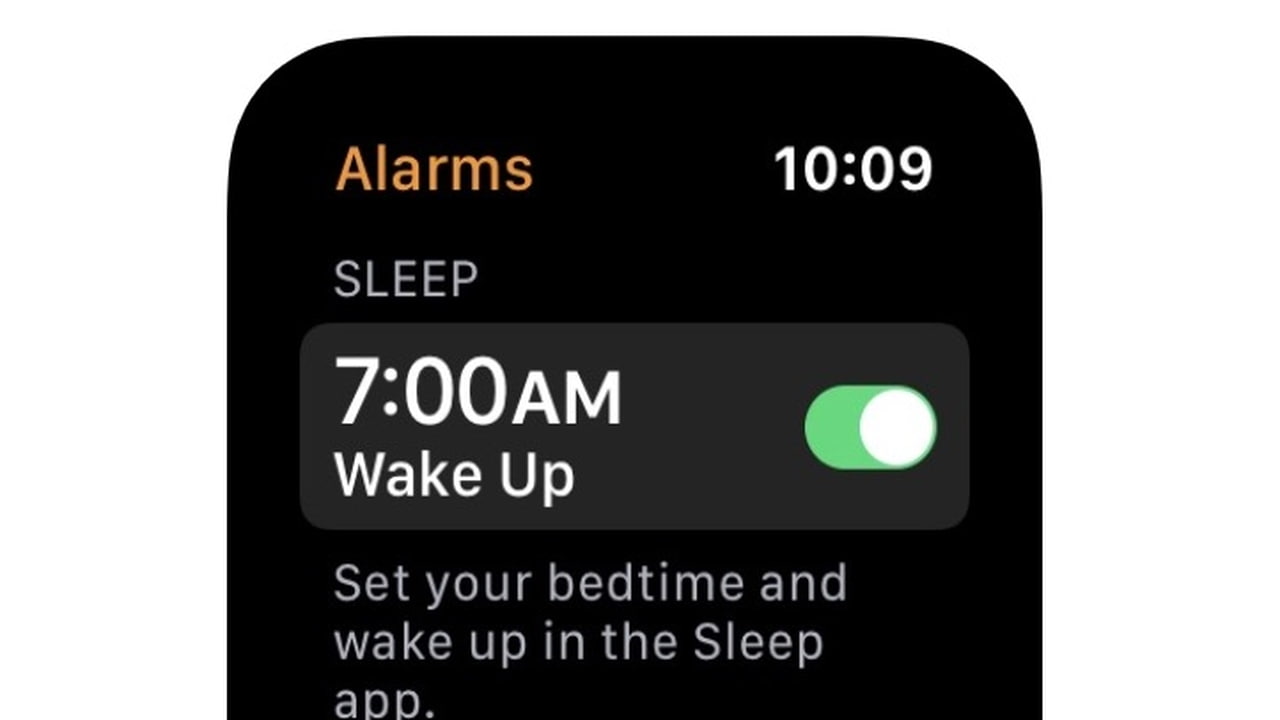

 Apple has accidentally confirmed the existence of the rumored Sleep app for Apple Watch.