The Mega Man movie has a new writer, fresh out of Gotham City. Ghostbusters: Afterlife confirms just which familiar faces are back to make bustin’ feel good. Denis Villeneuve is open to returning to the world of Blade Runner. Plus, Elizabeth Moss discusses The Invisible Man’s domestic abuse themes, and what’s to come…
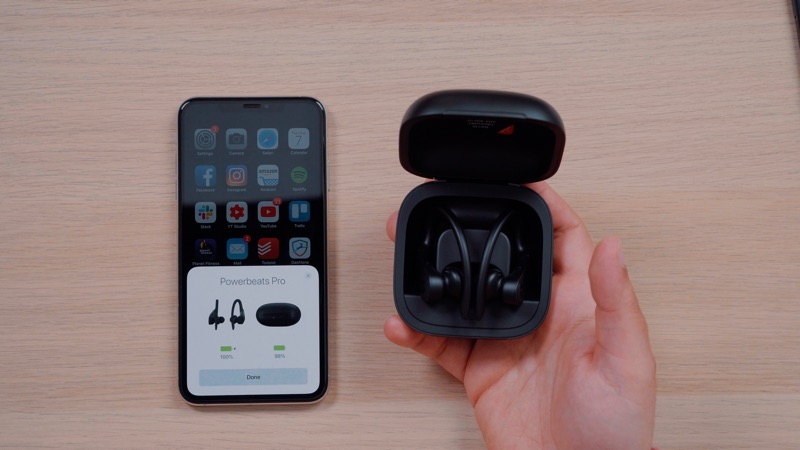
The Powerbeats Pro have returned to their lowest-ever price of $199.95 on Amazon, down from $249.95. This sale is the same one we've been tracking for the Powerbeats Pro since last fall, offering a solid $50 discount off the original price of the wireless headphones, and it usually only lasts for a few days.
Note: MacRumors is an affiliate partner with Amazon. When you click a link and make a purchase, we may receive a small payment, which helps us keep the site running.
Every color of the Powerbeats Pro are being discounted as well, so you can get the Black, Ivory, Moss, or Navy for $199.95 today. All models include secure-fit ear hooks, are sweat and water resistant, and support up to nine hours of listening time on a single charge.
Our full Deals Roundup has more information on the latest Apple-related sales and bargains.
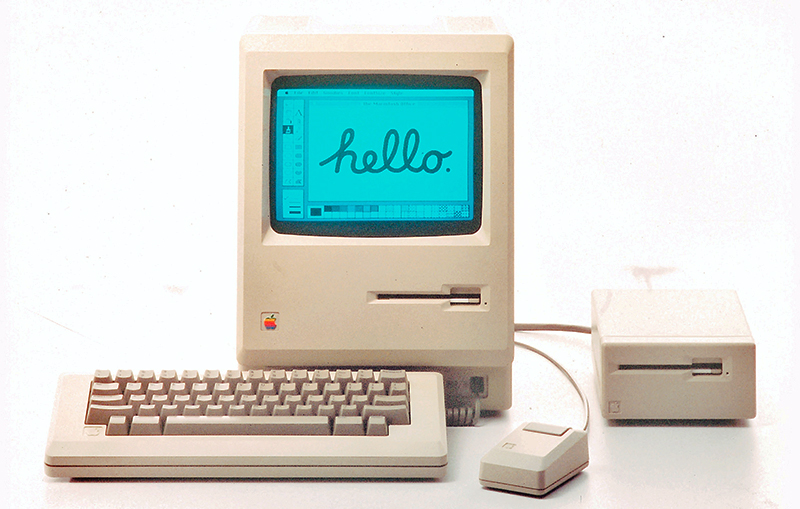
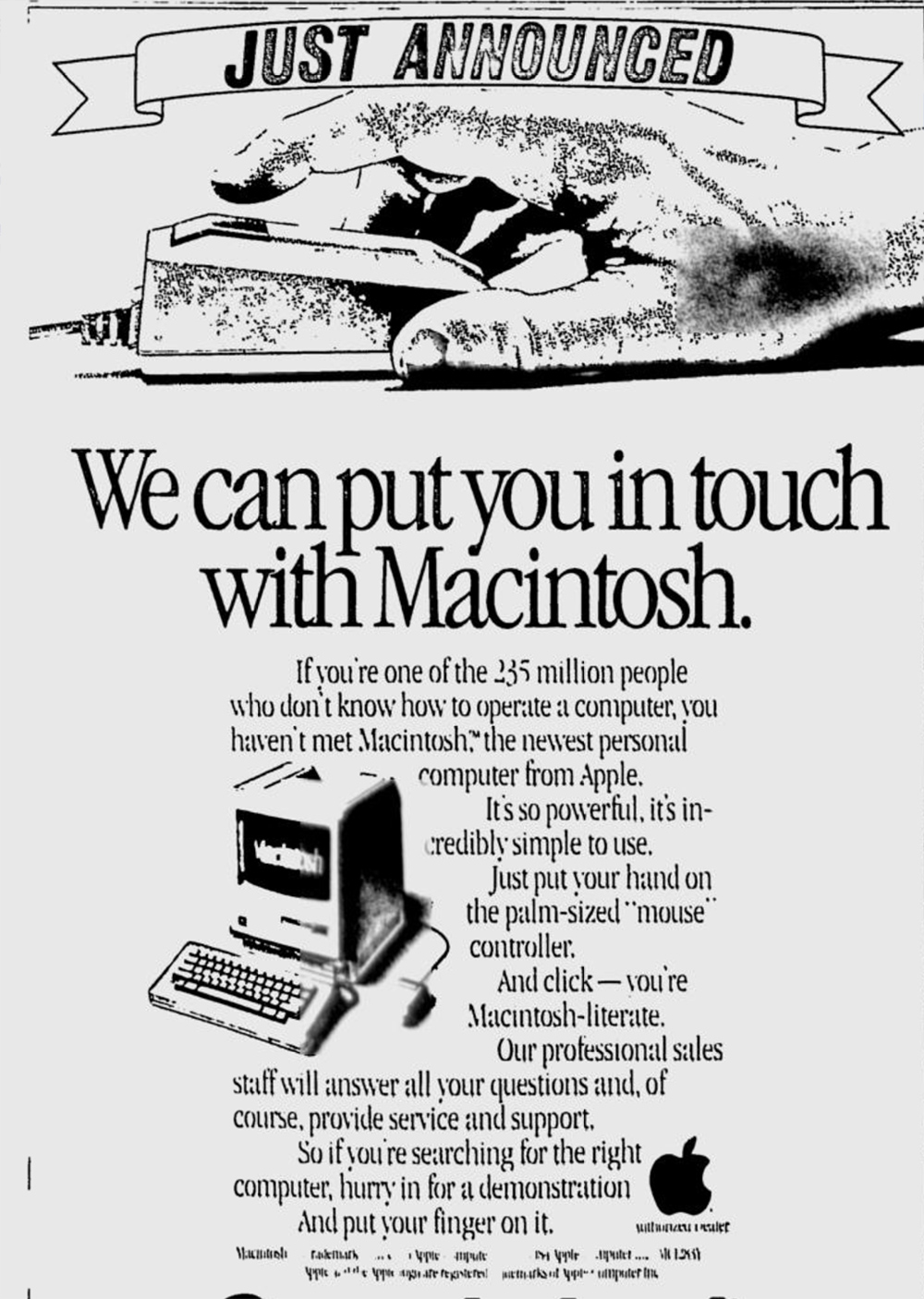
On January 24, 1984, former Apple CEO Steve Jobs introduced the first Macintosh at Apple's annual shareholder's meeting in Cupertino, California, debuting the new computer equipped with a 9-inch black and white display, an 8MHz Motorola 68000 processor, 128KB of RAM, a 3.5-inch floppy drive, and a price tag of $2,495.
The now iconic machine weighed in at a whopping 17 pounds and was advertised as offering a word processing program, a graphics package, and a mouse. At the time it was introduced, the Macintosh was seen as Apple's last chance to overcome IBM's domination of the personal computer market and remain a major player in the personal computer industry.
Jobs pulled the Macintosh out of a bag at the event, powered it on, and the Mac had a little message for everyone in attendance.
Hello, I'm Macintosh. It sure is great to get out of that bag.
Unaccustomed as I am to public speaking, I'd like to share with you a maxim I thought of the first time I met an IBM mainframe: NEVER TRUST A COMPUTER YOU CAN'T LIFT!
Obviously, I can talk, but right now I'd like to sit back and listen. So, it is with considerable pride that I introduce a man who's been like a father to me... STEVE JOBS.
Despite the high price at the time, which was equivalent to around $6,000 today, the Macintosh sold well, with Apple hitting 70,000 units sold by May 1984. The now iconic "1984" Super Bowl ad that Apple invested in and debuted days before the Macintosh was unveiled may have helped bolster sales.
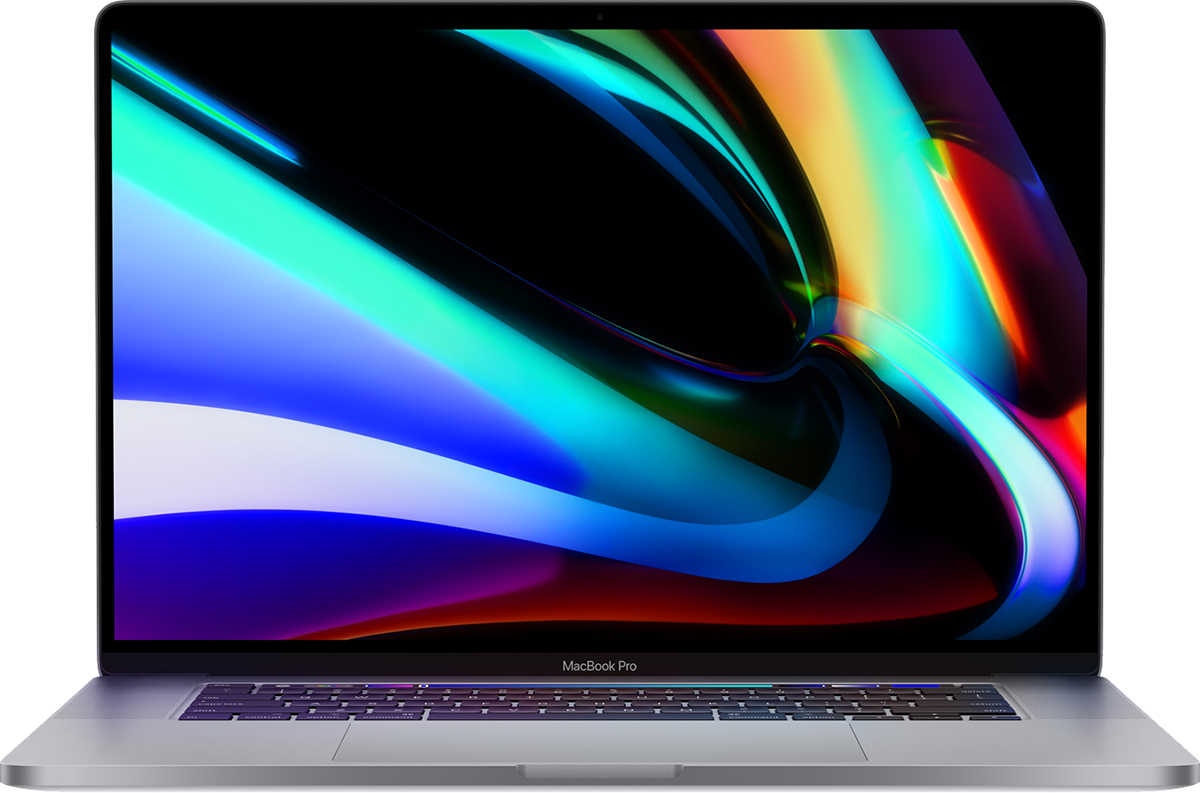
After the Macintosh, Apple introduced the Macintosh II, the Macintosh Classic, the PowerBook, the Power Macintosh, the iMac G3, the iBook, and so on, eventually leading to the current Mac lineup, which includes the MacBook Air, MacBook Pro, iMac, iMac Pro, Mac mini, and Mac Pro.
Today, Apple is one of the leading PC vendors in the world, shipping an estimated 18 million Macs worldwide in 2019. Then Apple competitor IBM is no longer in the personal computer business, having sold its technology to Lenovo back in the early 2000s.
Apple in the future is expected to continue expanding its popular Mac lineup, and current rumors suggest we can expect to see new 16-inch MacBook Pro models, a refreshed 13-inch machine with scissor keyboard, and, eventually, an ARM-based Mac.
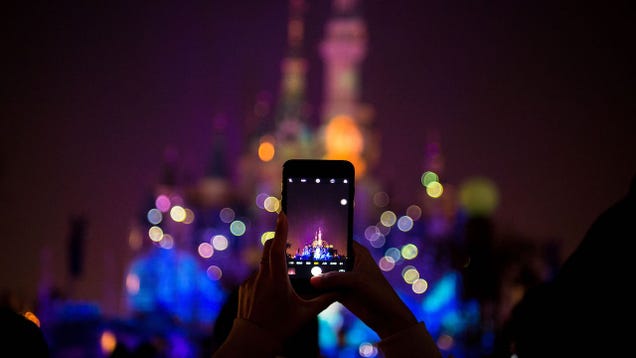
Shanghai Disneyland will close its gates on Saturday in an effort to stop the spread of a new SARS-like virus that has killed 26 people and sickened at least 881, primarily in China. It’s not known when the theme park may reopen.
Samsung is said to be working on its own answer to AirDrop, Apple's ad-hoc service that lets users transfer files among Macs and iOS devices over Wi-Fi and Bluetooth.
According to XDA Developers, "Quick Share" will work similarly to AirDrop, enabling files to be sent "instantly" between two Galaxy phones in close proximity, so long as both devices have the feature turned on.
Like AirDrop, Galaxy users will be able to restrict who can send them files (Everyone or Contacts Only). When users set Quick Share to Everyone, it's not clear if the service will present unsolicited file shares in the same way as AirDrop.
Unlike AirDrop, Quick Share is expected to have a temporary cloud-storage component that will allow users to transfer data to SmartThings connected home devices. The maximum size of these files will be up to 1GB with a total of 2GBs being sent per day.
AirDrop was introduced with iOS 7, so it might surprise some Apple users that Samsung is only getting round to finalizing its own alternative. Android used to have an NFC-based equivalent called Android Beam, but it was discontinued with Android 10. Users have had to resort to third-party alternatives like Google's Files Go app since.
China's big three mobile vendors Xiaomi, Oppo, and Vivo are also working collectively on an AirDrop-style peer-to-peer transfer protocol that is expected to launch next month.
Samsung's Quick Share service is expected to arrive with the launch of Galaxy S20+, which is slated for February 11, with the sharing service likely to come to older Samsung devices later on.


 Note: MacRumors is an affiliate partner with Amazon. When you click a link and make a purchase, we may receive a small payment, which helps us keep the site running.



 Samsung is said to be working on its own answer to AirDrop, Apple's ad-hoc service that lets users transfer files among Macs and iOS devices over Wi-Fi and Bluetooth.


