There have since been four videos in English by YouTube user MrExitStrategy, covering many of the new key features. The first of these shows the hinge system of the case, which provides a "floating" cantilevered design for smooth viewing angle adjustments of up to 130 degrees.
There is also a look at the preferences pane of the Magic Keyboard in the Settings app, revealing that the keyboard backlighting brightness may be changed manually or automatically adjusted based on ambient lighting conditions.
The most recent video offers a more detailed comparison of the Magic Keyboard with the Smart Folio Keyboard, and walks through some of the new trackpad gestures in iPadOS 13.4. This video suggests that the trackpad uses a mechanical click rather than haptic feedback. The cantilevered design is tested for stability, including for use with Apple Pencil.
Earlier this week, the Magic Keyboard became available for order online alongside the new iPhone SE, and most deliveries are expected to begin arriving next week.
Amazon has announced a new destination called #AtHome on Fire TV and Fire Tablet that offers free content to users coping with the coronavirus outbreak.
#AtHome is a curated experience that brings together content from over 100 content partners to help you and your family be entertained, educated, and informed. The entertainment industry is shifting the way they think about bringing content to you during this time, and #AtHome from Amazon will be the way to discover all of it.
Content is organized by themed rows such as “Stay Informed” or “New and Trending” to make it easy to locate what you’re looking for. Amazon says it will be updating the page on a regular basis to ensure it's delivering fresh and new content.
Monday, April 20, was supposed to be the most epic 4/20 of our lifetime: the once-in-a-century date on which 4/20 can refer to either the day of the month or the year. But the spread of Covid-19, which has grown to more than 2.1 million cases and 140,000 deaths, 4/20/20 will be a more subdued day than I anticipated.
OnePlus this week launched its newest flagship smartphones, the OnePlus 8 and OnePlus 8 Pro, offering high-end specs and features at a cheaper price than many of its competitors.
We got our hands on one of the OnePlus 8 Pro devices and thought we'd see how it measures up to the iPhone 11 Pro Max in our latest YouTube video.
There are a few models at different price points, but for our video, we're comparing the $899 OnePlus 8 Pro with 8GB RAM and 128GB of storage, plus a pretty nice looking exclusive "glacial green" color, to the mostly comparable $1249 iPhone 11 Pro Max with 4GB RAM and 256GB storage, which is a $350 premium.
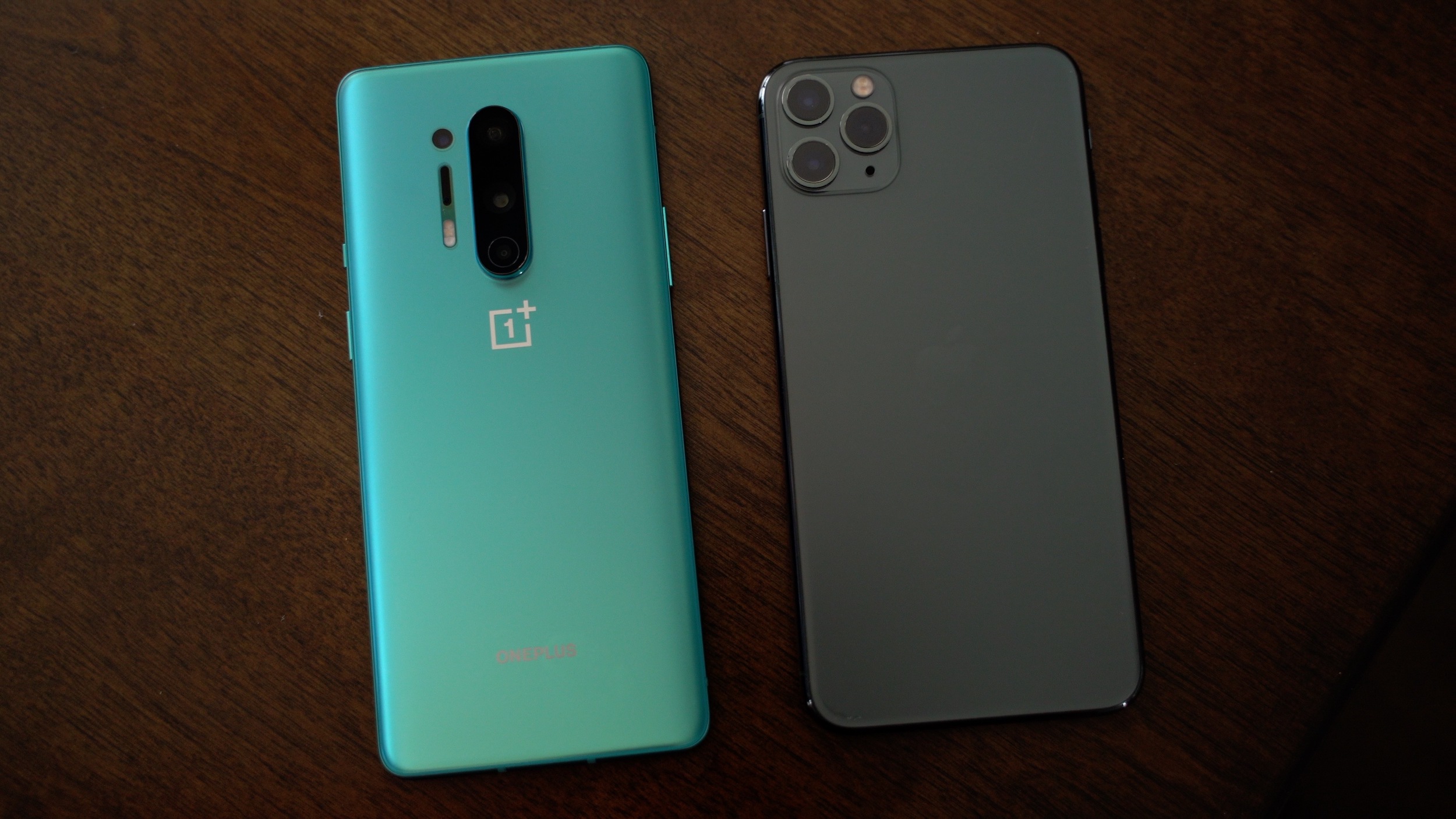
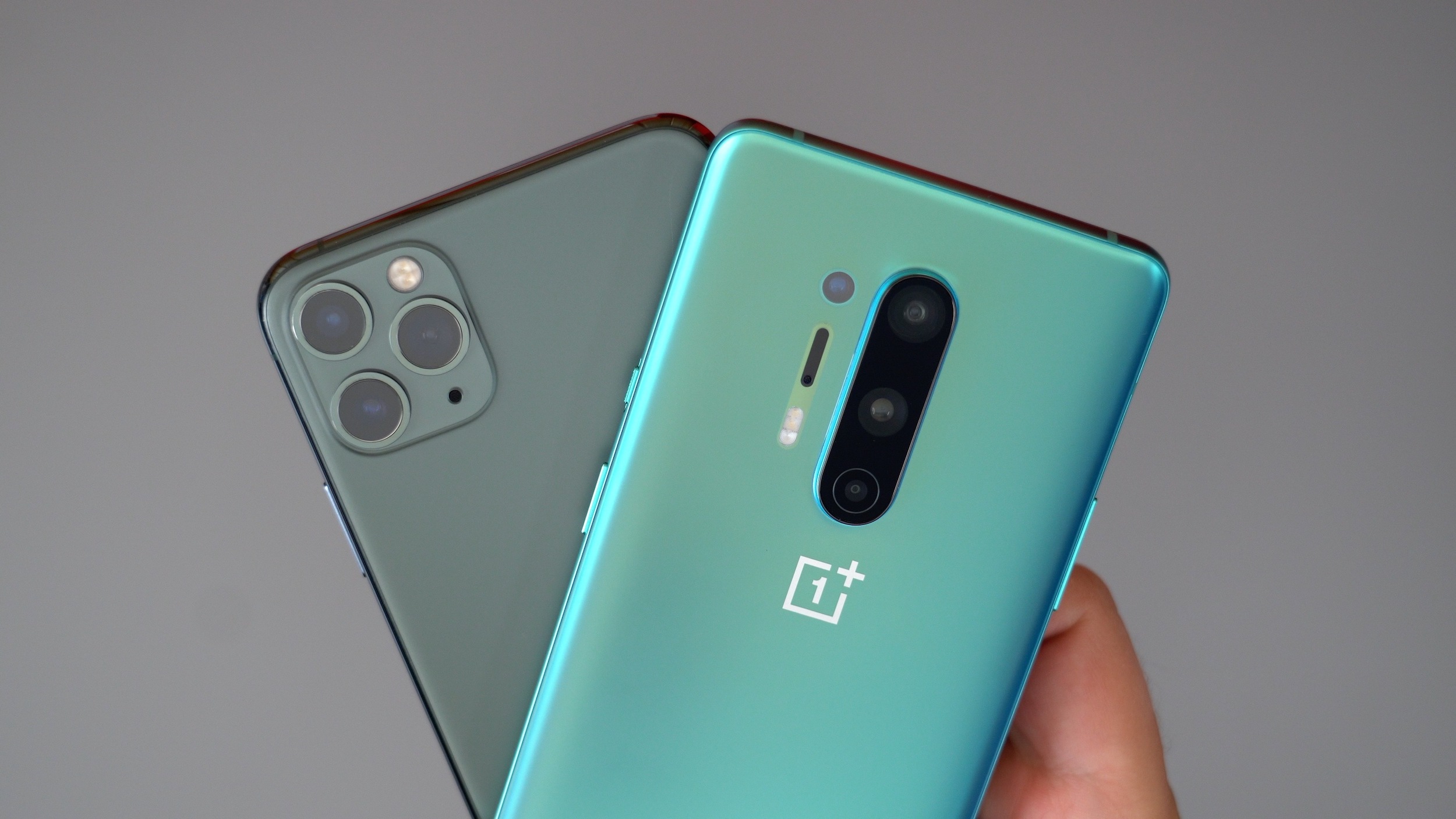
Both smartphones are attractive, well-designed, and have a premium look. The OnePlus 8 Pro features a frosted back much like the iPhone 11 Pro, and it looks attractive in the glacial green shade. OnePlus gets an edge over Apple when it comes to fun colors, as Apple is rather conservative with its Pro lineup.
The 11 Pro and the OnePlus 8 both have large camera bumps at the back. Apple's is in a square shape housing triple-lens cameras, while OnePlus opted for a vertical camera bump that's right in the middle of the smartphone. It too has a triple-lens camera.
On the side, the OnePlus 8 Pro has an alert slider that can be toggled between silent, vibrate, and ringer on, one more option than the iPhone provides with its vibrate and ringer on options.
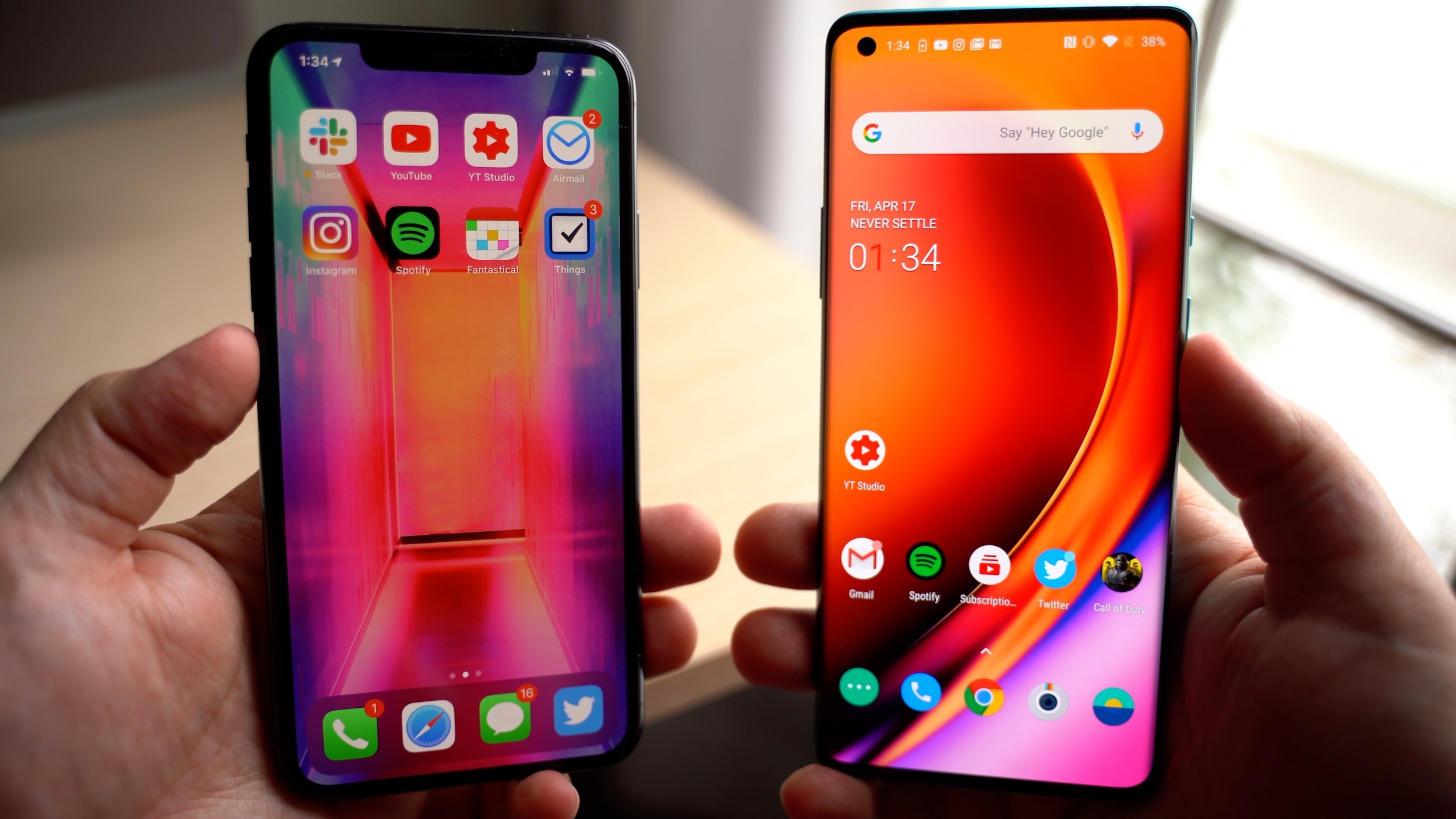
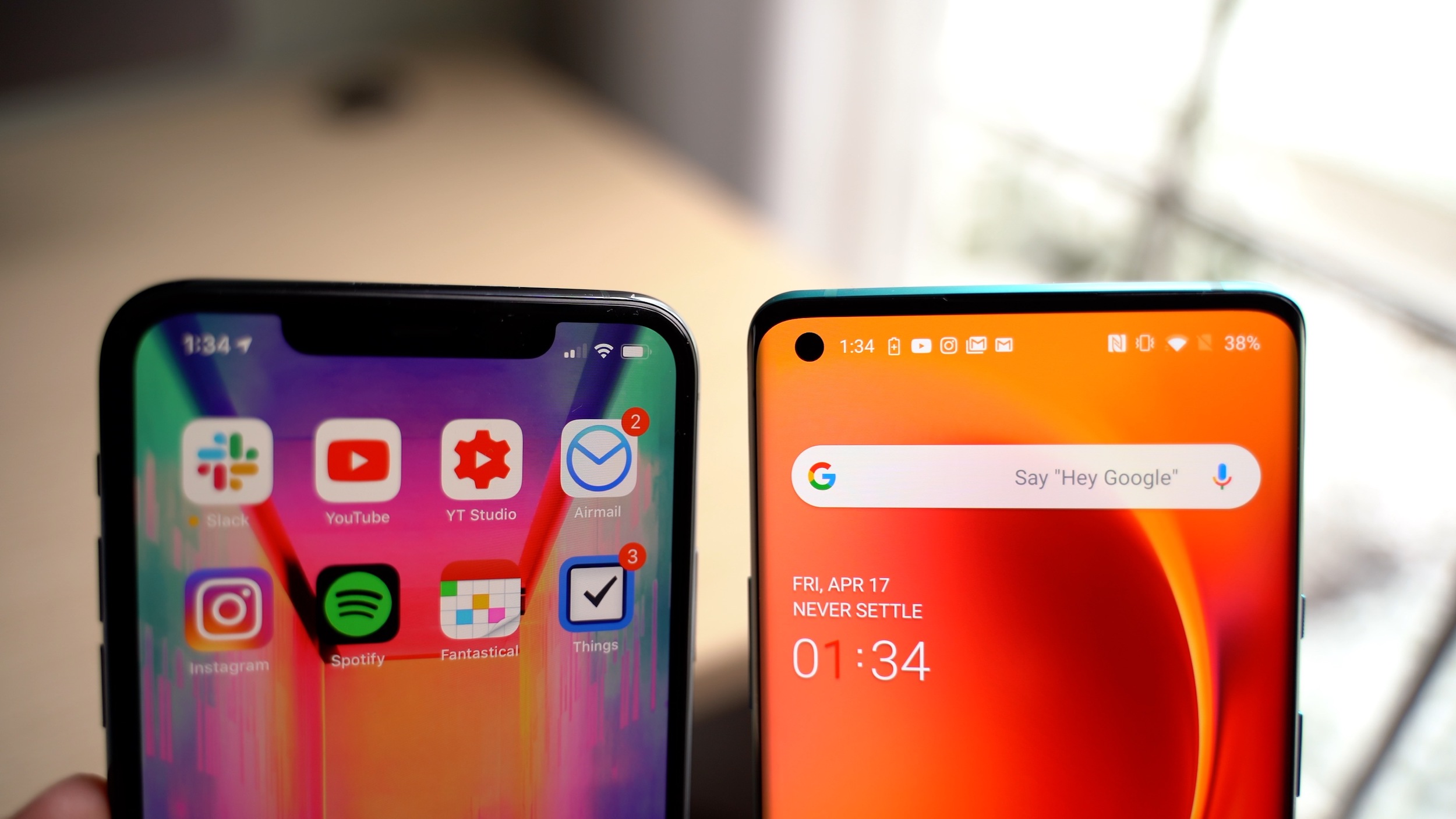
The OnePlus 8 Pro features a 6.7-inch display, which is just a bit bigger than the iPhone 11 Pro Max's 6.5-inch display. It's an OLED display with a 120Hz refresh date and a 3168 x 1440 resolution. Apple hasn't yet brought 120Hz refresh rates to the iPhone, but there have been rumors of a 120Hz iPhone display ever since Apple added the feature to the iPad Pro.
Samsung's latest flagship smartphone, the S20 Ultra, also has a 120Hz display but limited it to only 1080p. The new OnePlus 8 Pro supports 120Hz at the full resolution of the display, though at the cost of some battery life.
The OnePlus 8 Pro doesn't have anything like the True Depth Camera System or Face ID, so there's just a single hole punch camera cutout at the front on the right side, and it's otherwise all display.
With no Face ID, the OnePlus 8 Pro uses an optical fingerprint sensor, which is built into the display and seems to work fine. There have been some rumors that Apple is working on optical fingerprint sensor technology, but if it's a feature in development, it isn't something we're expecting in the 2020 iPhone lineup.
New to the OnePlus 8 Pro this year is wireless charging, a feature that iPhones have had for years now. It supports 30W fast wireless charging with a $70 charger, which means it can be charged from 0 to 50 percent in about 30 minutes (any other Qi charger is 5W, though). A 30W power adapter is included for fast wired charging though. The iPhone 11 Pro Max is limited to 7.5W wireless charging while wired fast charging requires a Lightning to USB-C cable and 18W+ power adapter.
Battery life between the two phones isn't too different. The iPhone 11 Pro Max has a 3,969 mAh battery, and the OnePlus 8 Pro has a 4,500 mAh battery.
When it comes to camera quality, the OnePlus 8 Pro usually falls behind other smartphone manufacturers, and Apple is usually at the top of the pack, but OnePlus appears to have improved somewhat. This year, the OnePlus 8 Pro features a 48-megapixel wide-angle camera, a 48-megapixel ultra wide-angle camera, an 8-megapixel telephoto camera, and a 5-megapixel depth camera.
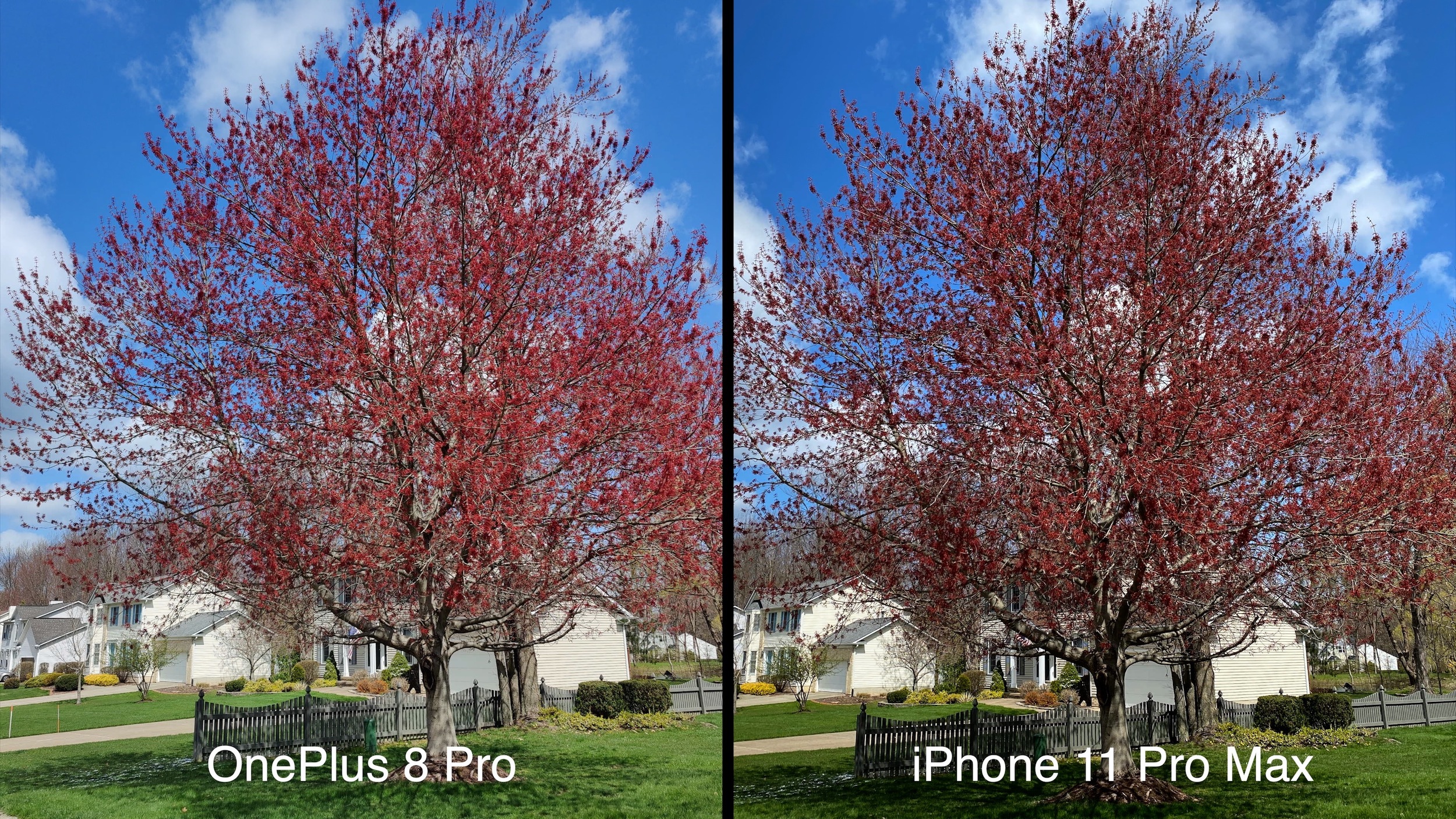
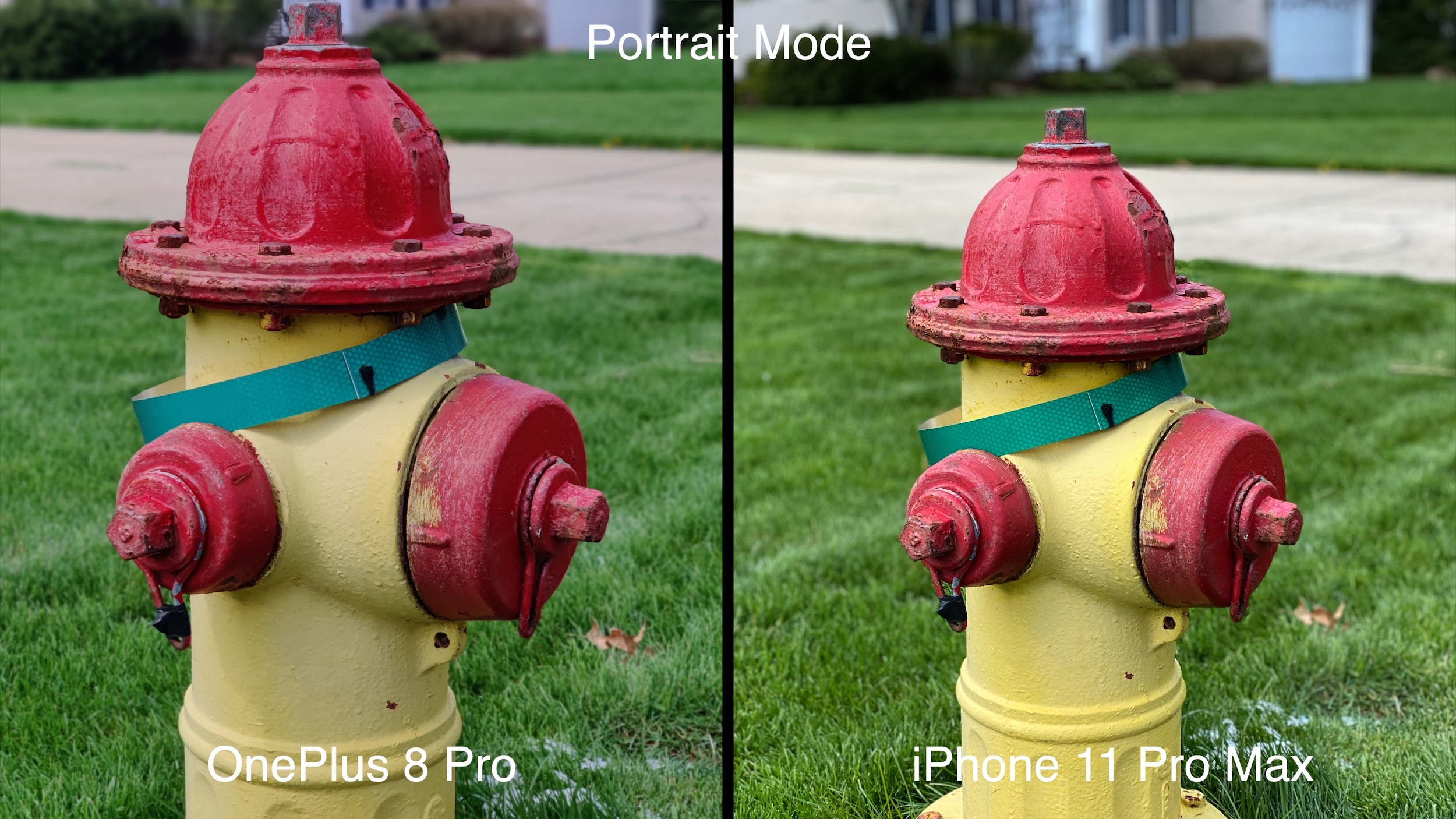
We can only test around the house at the current time so we didn't do a deep dive into the camera, but the OnePlus 8 Pro is more on par with the iPhone. Most of the time, the iPhone images still look more natural, but OnePlus does a better job at ultra wide-angle image quality, and some portrait mode photos look better.
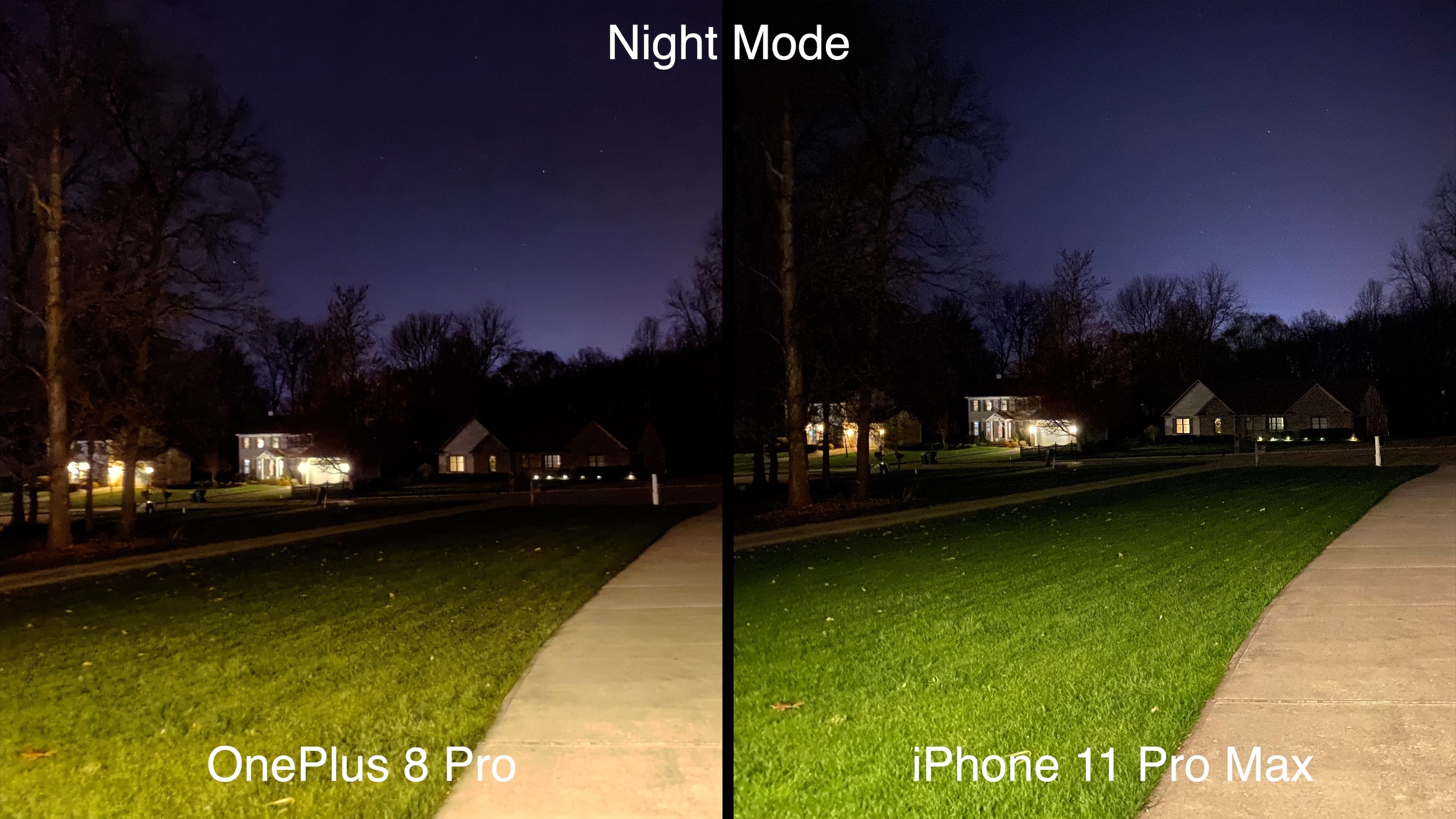
The OnePlus 8 Pro still lags behind when it comes to low-light photography (such as indoor lighting), but the longer exposure night mode images are on par with Night Mode images from the iPhone. There's also a macro photo mode, which works well and captures images with quite a lot of detail.
High-end smartphones are all so fast now that it's not useful to compare performance, and both the OnePlus 8 Pro and the iPhone 11 Pro Max perform at a level expected of a premium smartphone.
Even though the OnePlus 8 Pro is able to offer a comparable feature set to the iPhone 11 Pro Max, operating system is such a huge factor when purchasing a smartphone. A person deep in the iOS ecosystem (like many of us here at MacRumors) isn't going to swap over to Android, and the same goes for Android users who are used to that operating system.
The OnePlus 8 Pro and the iPhone 11 Pro Max are both great smartphones, and if you are in the Android ecosystem, OnePlus' new device is worth checking out. If you're someone without a strong operating system preference, the OnePlus 8 Pro is a solid iPhone competitor that has a lot to offer at a lower price.


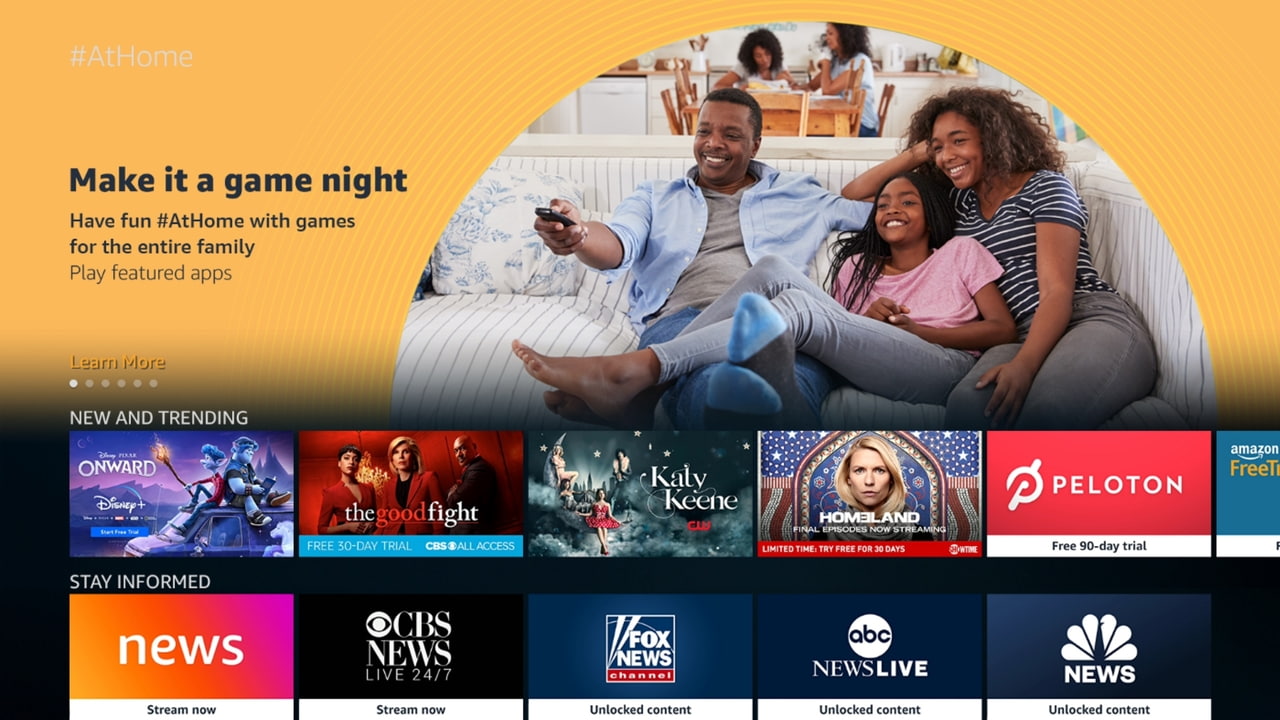

 Amazon has announced a new destination called #AtHome on Fire TV and Fire Tablet that offers free content to users coping with the coronavirus outbreak.