The extremophile bacterium Deinococcus radiodurans was first discovered in 1956 at Oregon State University, where it was busy ruining a gamma ray experiment designed to sterilize a tin of ground meat. The “sterilized” meat spoiled, thanks to D. radiodurans and its preternatural durability in the face of radiation: The…
Ewan McGregor discusses the tech powering the Obi-Wan Kenobi Disney+ show. Legends of Tomorrow promotes another regular for its next season. Get a look at Netflix’s new The Grude show. Plus, what’s to come when Hanna returns to Amazon, and the Jeff Lemire/Dustin Nguyen comic series Descender could be coming to TV.…
Ice in the polar regions has been under assault from rising ocean and water temperatures. While human-driven climate change is driving widespread weirdness, natural patterns can also lead to chaos.
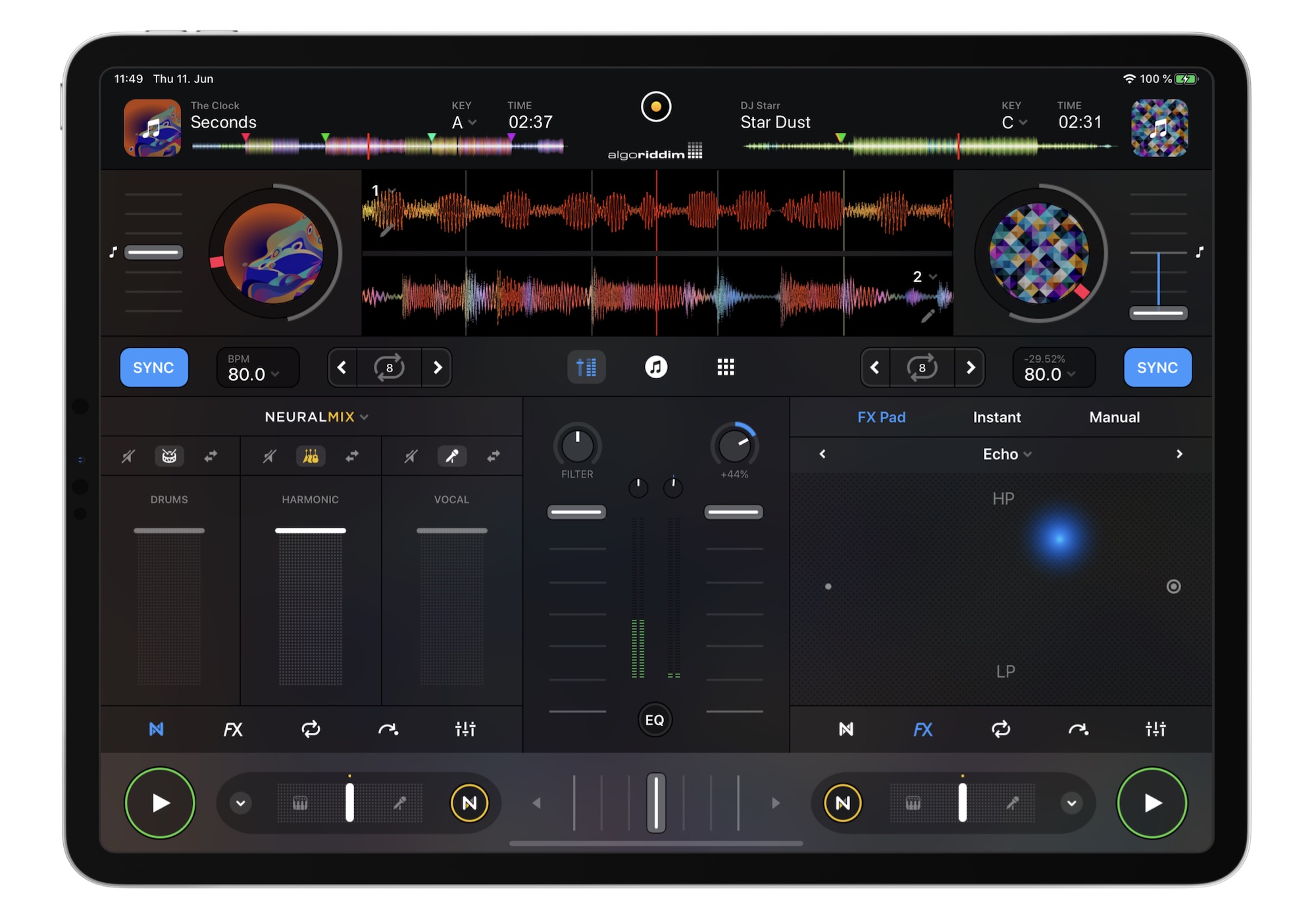
Algoriddim, the company behind the popular djay line of music apps for iOS, Mac, Windows, and Android, today is introducing a major update for its djay app for iOS: djay Pro AI. Harnessing the power of Apple's A12 and A13 chips in the latest iPhone and iPad models, djay Pro AI's Neural Mix feature separates out beats, instruments, and vocals from music tracks in real-time to allow for live mixing.
With a revamped user interface and djay Pro AI, users can deconstruct and remix tracks on the fly, such as removing drum tracks and inserting new ones from djay's library of samples and loops. Onscreen sliders allow for smooth adjustments and fades, and even taking vocals or rhythms from one track and placing them on top of another track.
The mixing capabilities extend to video as well, rendering waveforms and video in real-time and letting you add visual effects on top of videos.
djay for iOS is a free download from the App Store, while upgrading to djay Pro AI costs $4.99 per month. In addition to the Neural Mix feature, djay Pro AI also includes libraries of various, sounds, loops, and visuals for mixing tracks, hardware compatibility with DJ MIDI controllers, and more.
In what appears to be a reversal of course, the BBC today reported that the United Kingdom's National Health Service will adopt Apple's and Google's Exposure Notification API for its COVID-19 contact tracing app after all.
Other countries that have committed to using the API include Italy, Latvia, Switzerland, Germany, Poland, and Saudi Arabia, among others.
Apple released the API as part of iOS 13.5 last month. At the time, the company said that 22 countries had requested and received access to the API, along with the U.S. states of Alabama, North Dakota, and South Carolina.
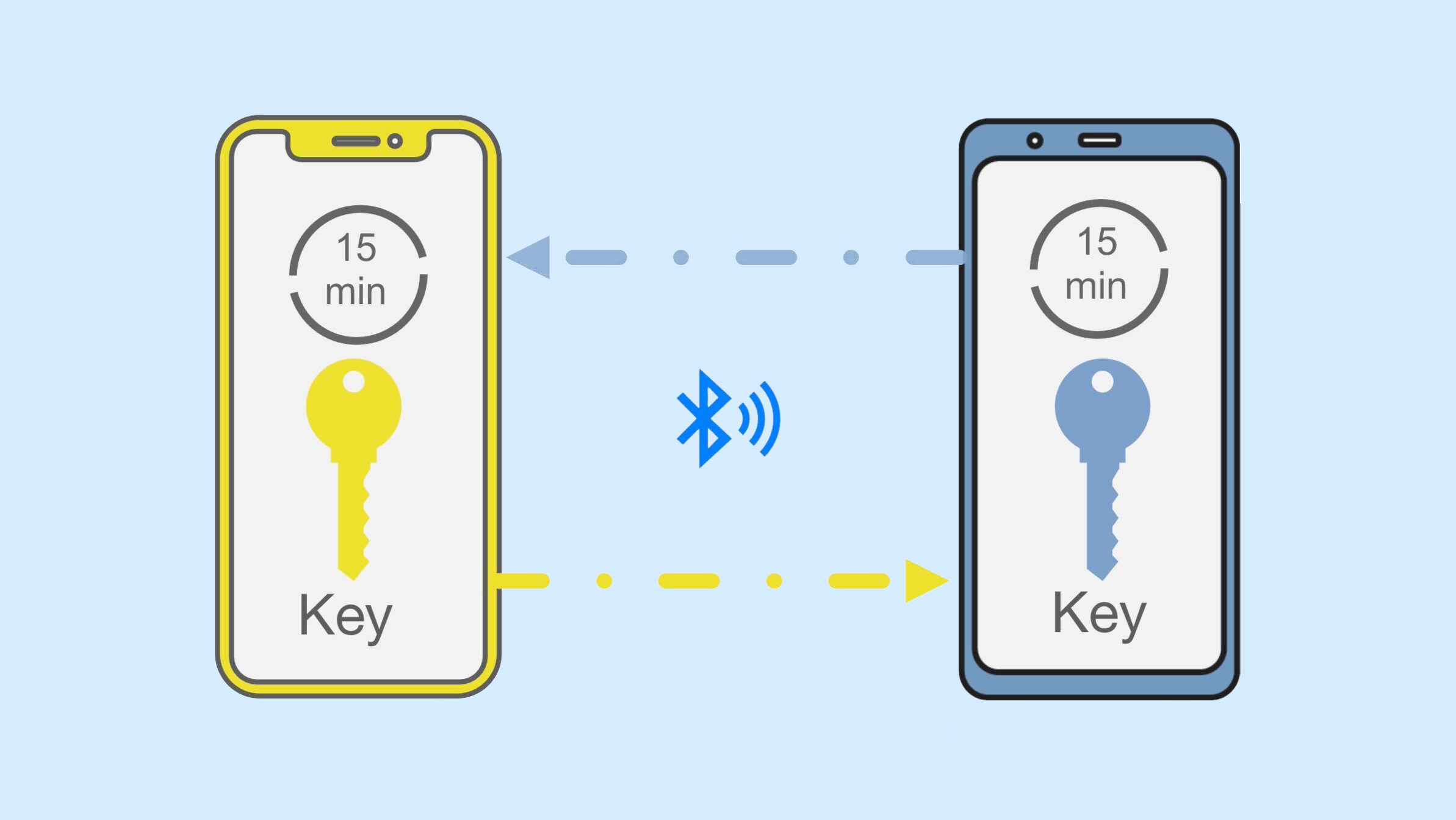
Apple and Google created the API to allow iPhones and Android smartphones to interface with one another for contact tracing purposes. If and when you happen to be nearby someone who later tests positive for COVID-19, you can receive a notification and take the appropriate steps to self isolate and seek medical help if necessary.
The API relies on Bluetooth, is designed with privacy in mind, and is disabled by default. Read our Exposure Notification guide for more details.