Thursday, 25 June 2020

No, Apple and Google Didn't Secretly Install Contact-Tracing Apps on Your Phone

Recent social media posts (which I won’t link to, but you can find them easily with a Twitter search) claim Apple and Google are installing contact tracing apps on your phone without your permission. The posts show even convincing screenshots and allude to statements made by both companies indicating they have been…

Read more...


from Gizmodo https://ift.tt/2ViZdxM

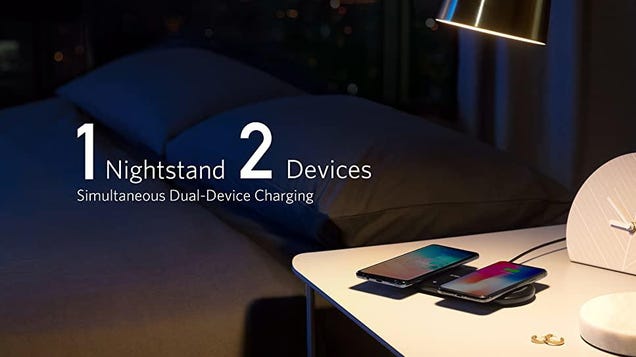
Double Down on Wireless Charging With Anker’s Powerwave 10 Dual Wireless Charging Pad for $35

Anker Powerwave 10 Wireless Charging Pad | $35 | Amazon | Use Promo Code AKRB2571

Read more...


from Gizmodo https://ift.tt/2YGaElE

iOS 14 Supports Xbox Elite Wireless Controller Series 2 and Adaptive Controller

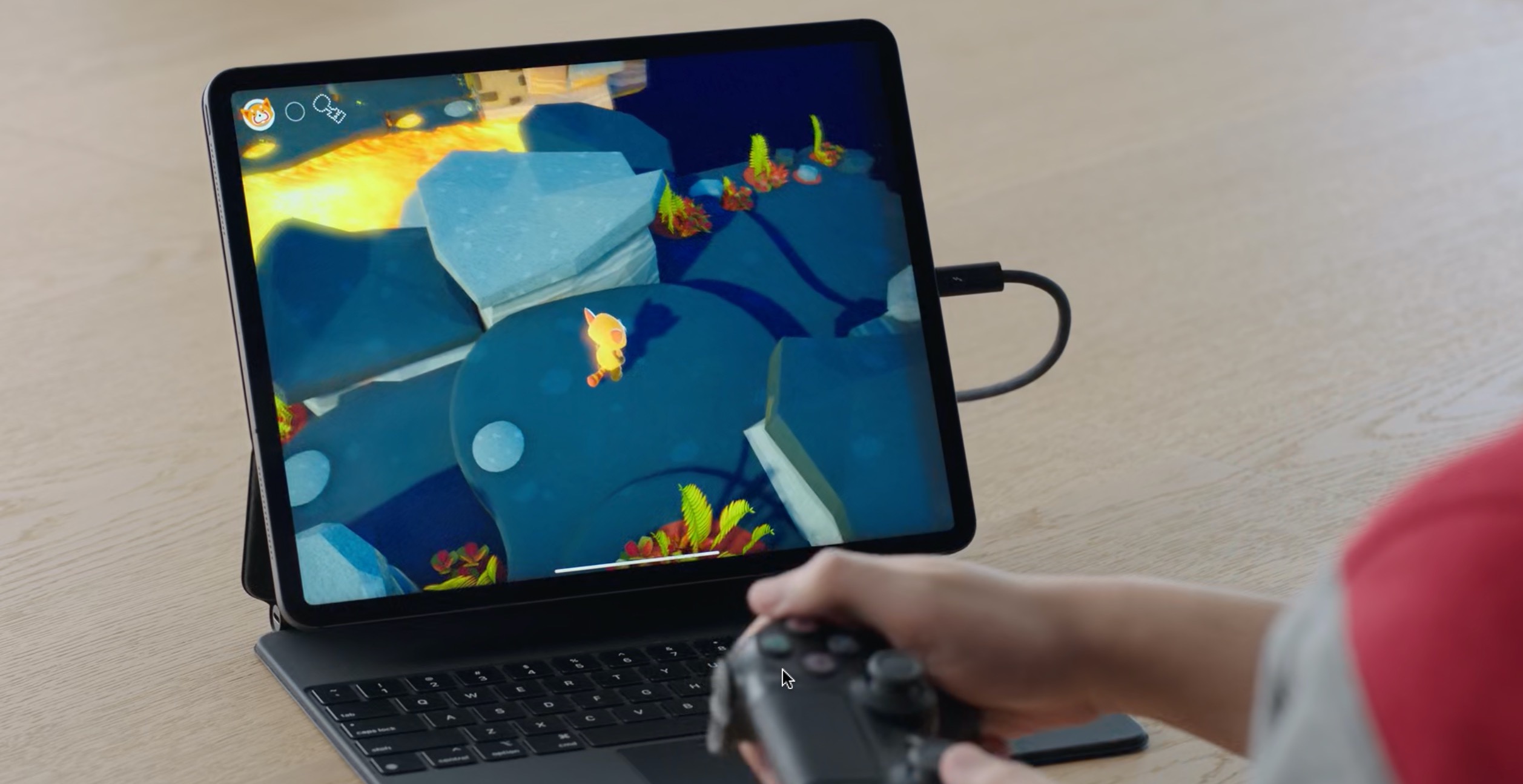
Apple's WWDC developer sessions continue to trickle out more details about new features in its latest operating systems for mobile and desktop, including new gamepad support in iOS 14.

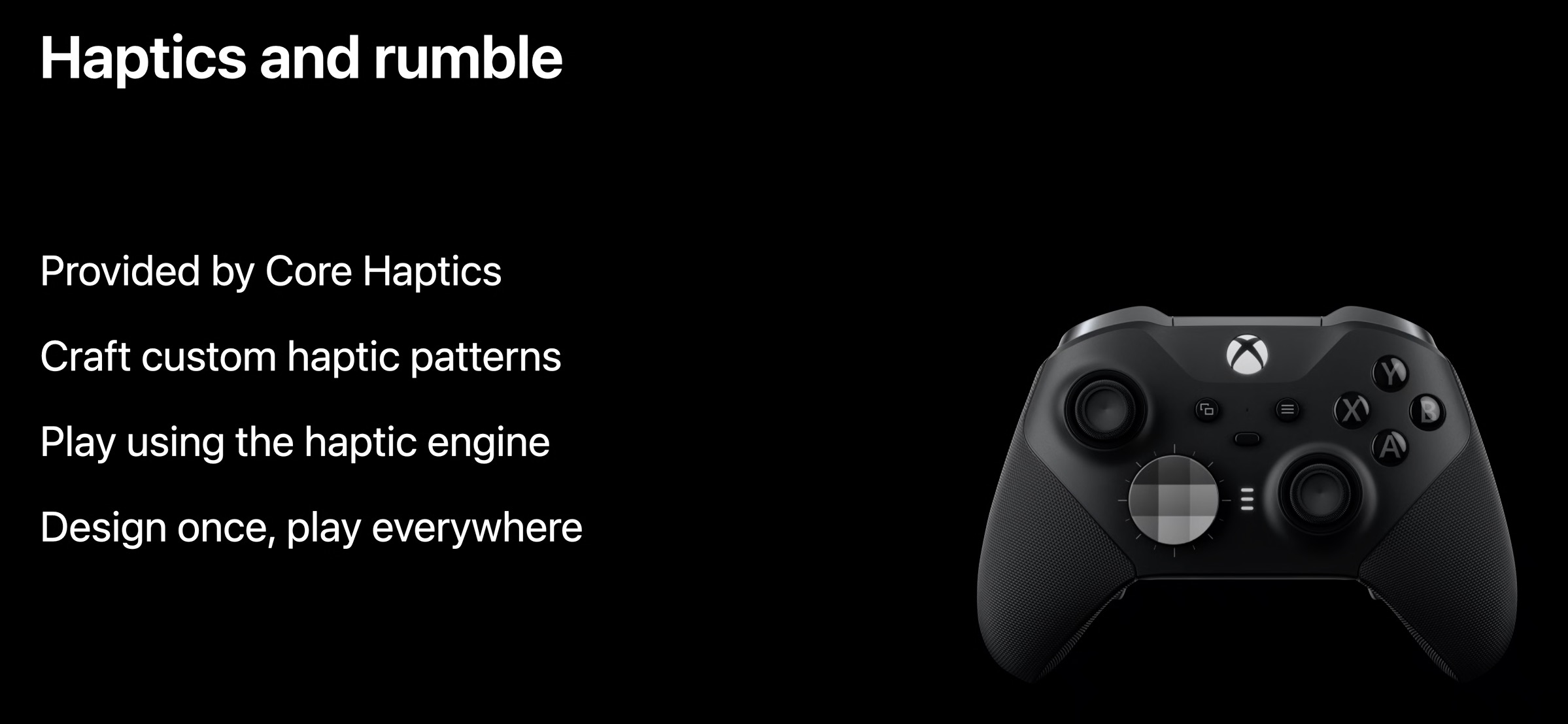
During its keynote on Monday, Apple said support for Xbox's Elite Wireless Controller Series 2 and Adaptive Controller were coming in tvOS 14, and a WWDC session on Wednesday has confirmed that this support extends to ‌iOS 14‌ and iPadOS 14.


The session covers support for the Dual Shock's touchpad and lightbar, the Xbox Elite's paddles, zone-based rumble haptics, and motion sensors. In addition, game developers will be able to take advantage of OS-level controller button remapping, as well as readymade button glyphs for use in game interfaces.
Let's rumble! Discover how you can bring third-party game controllers and custom haptics into your games on iPhone, iPad, Mac, and Apple TV. We'll show you how to add support for the latest controllers — including Xbox's Elite Wireless Controller Series 2 and Adaptive Controller — and map your game's controls accordingly. Learn how you can use the Game Controller framework in tandem with Core Haptics to enable rumble feedback. And find out how you can take your gaming experience to the next level with custom button mapping, nonstandard inputs, and control over specialty features like motion sensors, lights, and battery level.

Another exciting highlight for game developers is keyboard and mouse support for gaming on iPadOS. Apple is letting developers finally add keyboard, mouse, and trackpad control options. While touch is obviously preferred for most iOS games, it opens the door for games like Civilization VI to add support for this in future updates.

And with future Macs powered by Apple Silicon able to run ‌iPhone‌ and ‌iPad‌ apps natively, we could see mobile games fully prepped for desktop peripheral use in macOS Big Sur.
Related Roundups: iOS 14, iPadOS 14

This article, "iOS 14 Supports Xbox Elite Wireless Controller Series 2 and Adaptive Controller" first appeared on MacRumors.com

Discuss this article in our forums


from MacRumors: Mac News and Rumors - All Stories https://ift.tt/2VhtUU5

10 Tips and Tricks to Make You a Lightroom Expert

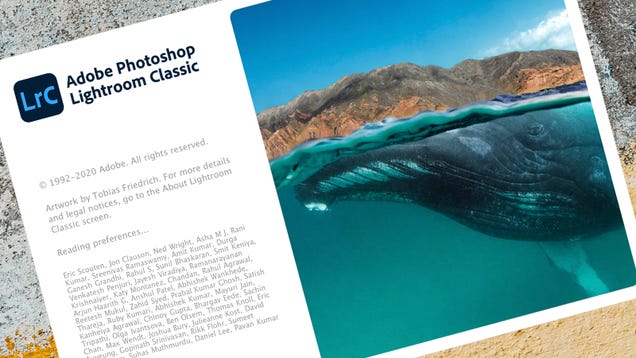
Lightroom might not have seeped into the common vernacular like Photoshop has, but in some ways it’s just as useful as the powerhouse image editor—and you get both as part of the $20 Creative Cloud Photography subscription and the deluxe CC package. Whether you’re just getting started with the software or you’re used…

Read more...


from Gizmodo https://ift.tt/2NsJqb9

Former Intel Engineer Claims Buggy Skylake Chips Hastened Apple's Switch to Custom Silicon

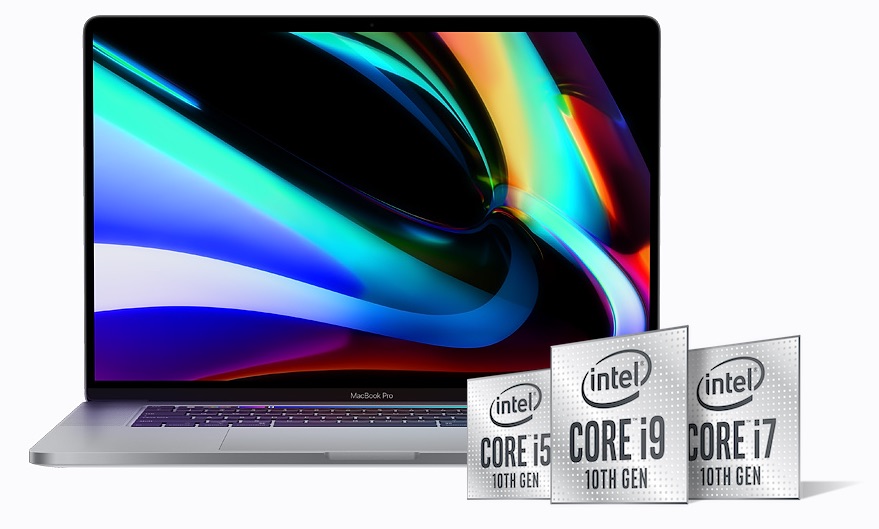
At this week's WWDC, Apple confirmed its plan to switch from Intel to custom processors for its Macs over a two-year transition period. Apple said that the switch is all about platform consolidation and performance advantages, but at least one former Intel insider claims that quality control issues with Skylake chips was the reason Apple finally decided to to ditch Intel.

"The quality assurance of Skylake was more than a problem," said former Intel engineer François Piednoël, speaking to PC Gamer. "It was abnormally bad. We were getting way too much citing for little things inside Skylake. Basically our buddies at Apple became the number one filer of problems in the architecture. And that went really, really bad.

"When your customer starts finding almost as much bugs as you found yourself, you're not leading into the right place."

"For me this is the inflection point," said Piednoël. "This is where the Apple guys who were always contemplating to switch, they went and looked at it and said: 'Well, we've probably got to do it.' Basically the bad quality assurance of Skylake is responsible for them to actually go away from the platform."
There have been rumors suggesting Apple has an interest in Arm-based Macs for years now, but it was only on Monday that Apple confirmed the plan, satying it expects its first Mac with custom silicon to launch by the end of 2020.

Apple analyst Ming-Chi Kuo believes that a redesigned iMac due in the fourth quarter of 2020 will be one of Apple's first two Mac models with a custom Arm-based processor, with the other being a future 13-inch MacBook Pro.

Following Apple's announcement about its switch to custom silicon, Intel said it will continue supporting the Mac through its transition, but insisted that its processors are still the best option for developers.
This article, "Former Intel Engineer Claims Buggy Skylake Chips Hastened Apple's Switch to Custom Silicon" first appeared on MacRumors.com

Discuss this article in our forums


from MacRumors: Mac News and Rumors - All Stories https://ift.tt/3eyerpX